Where strategy meets design
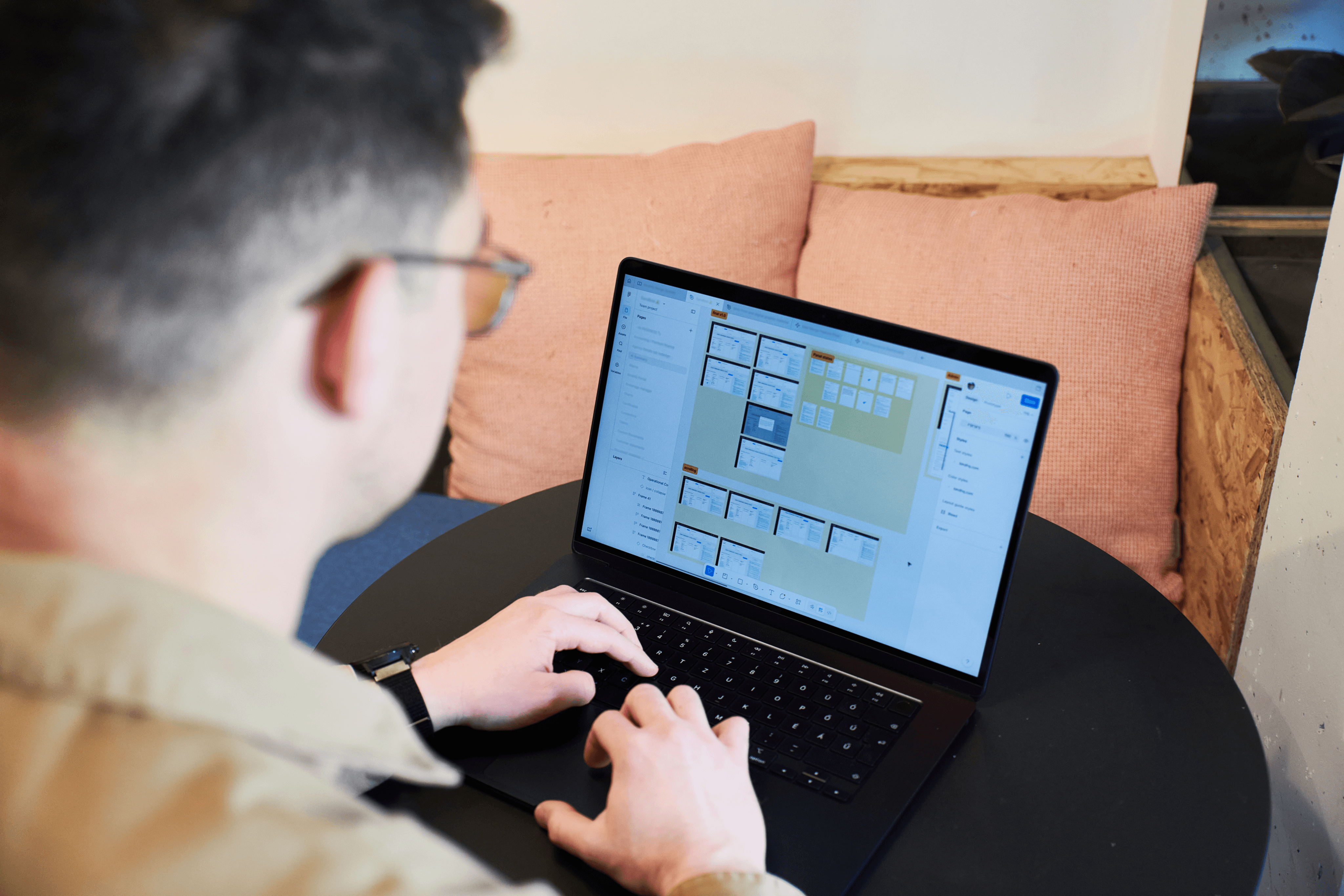
Successful product development isn't a game of chance; it is a scientific process that turns innovation into predictable outcomes. By building on years of experience and lean best practices, I help organizations reduce product uncertainty and ensure they aren't just building things right, but building the right things.
My approach bridges the gap between high-level business strategy and the practical reality of the user's everyday life. Through the following four-step framework, I guide projects from initial discovery to a concrete, implementation-ready roadmap.
01
Discover and Understand
Every project begins with an internal briefing to gather existing background information and industry context.
I perform a thorough review of existing documents and any current versions of the product to identify gaps and pain points already known to the organization. To align stakeholders, I conduct 1:1 pre-workshop interviews to understand their specific expectations and potential roadblocks. I then facilitate strategy workshops to define short- and long-term business goals while analyzing key industry and user trends.
Using the Jobs-to-be-Done (JTBD) framework, I dive into the user's current struggles, habits, and emotional needs to define a value proposition that truly resonates. This foundational phase concludes with a clear Product Vision that ensures the team is building toward a unified, long-term objective.
02
Wireframe and Prototype
Transitioning from strategy to execution, I map out the Customer Journey to define every major step a user takes, from discovering the problem to becoming a regular user. I pinpoint specific product goals for each step, ensuring that every user action is tied back to a business outcome. This journey is then broken down into detailed User Flows, where I map out the specific screens and logic for both positive and error states.
To make the concept tangible, I create Concept Wireframes for the most critical user stories, focusing on the core value creation rather than final polish. These are developed into Interactive Prototypes that serve as a "living" simulation of the product, allowing us to validate the flow and functionality before any code is written.
03
Test
Validating a concept before building is the most effective way to optimize Product-Market Fit. I conduct Qualitative Concept Tests—typically 1-hour in-depth interviews with 8 people per target segment—using the interactive prototype as a guide. Unlike simple usability checks, these tests focus on the Product Concept to see if the solution actually solves the user's "struggling moments" and fits into their daily routine. By observing real-world reactions, I can pinpoint anxieties or resistances that might hold a user back from switching to the new solution.
The output is a practical report summarizing high-level insights and recommended enhancements to the concept based on direct user evidence.
04
Iterate
In this stage, I take the findings from user interviews to address any friction points, anxieties, or misunderstood features identified during testing. If a concept didn't resonate, this is where we adjust the logic or visual approach to better align with the user’s everyday life.
Once the solution is validated and the team is confident in the direction, I update the Assumption List and facilitate a final prioritization and scoping exercise. We categorize features into Epics and User Stories, assigning impact scores and consulting with developers to determine implementation costs. The process concludes with a Product Strategy Presentation and a 1–2 year roadmap, providing a clear implementation plan and a "north star" for the entire organization to follow.
WOULD YOU LIKE TO KNOW MORE?